

NETWORKING Fiber Optic Cables Structured Cabling
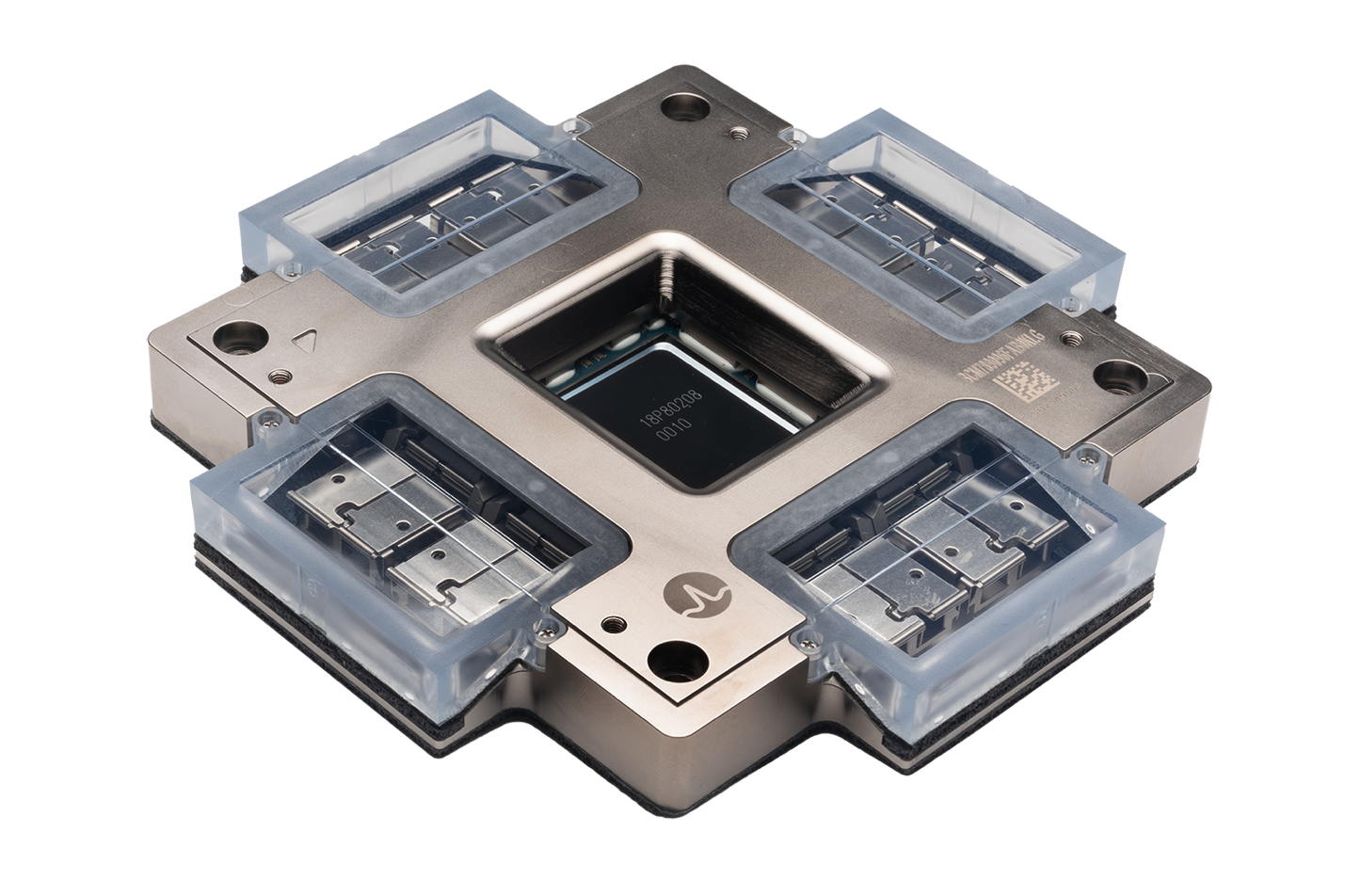
Co-Packaged Optics – End of Pluggables? What It Is, Why It Matters, and Who Needs to Pay Attention
Introduction: A New Chapter in Optical Connectivity

Low-Loss Fiber Connectivity for AI
Low-loss fiber connectivity is essential for modern AI data centers due to its ability to address...

Smart Cabling Organization Can Save Your Project
Starting a data center hardware upgrade is a significant undertaking, but if cabling has been left...

data center Structured Cabling infrastructure
Reference Guide for Applicable Data Center Structured Cabling Standards Organizations
In the rapidly evolving world of data centers, structured cabling standards play a crucial role in...

data center Fiber Cables IT infrastructures
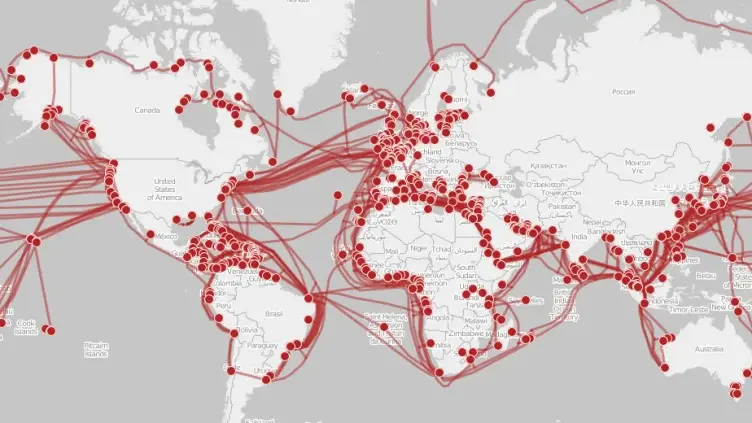
How Undersea Fiber Cables Power the Global Internet: The Internet’s Arteries
The internet may feel like an invisible, instant force connecting the world, but behind it lies a...
How Undersea Fiber Cables Power the Global Internet: The Internet’s Arteries
The internet may feel like an invisible, instant force connecting the world, but behind it lies a...
data center Cabling Fiber Optic Cables
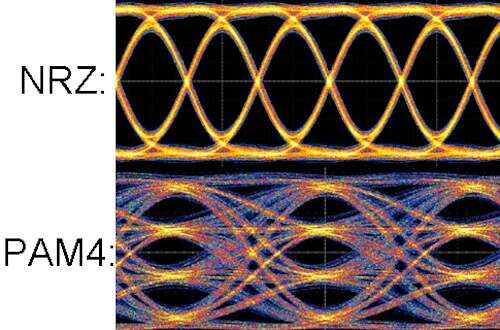
PAM4, the Superpower Boosting Your Data Center to Light Speed!
In the fast-paced world of data transmission, the demand for higher speeds and greater efficiency...
IT Equipment NETWORKING Hardware Security
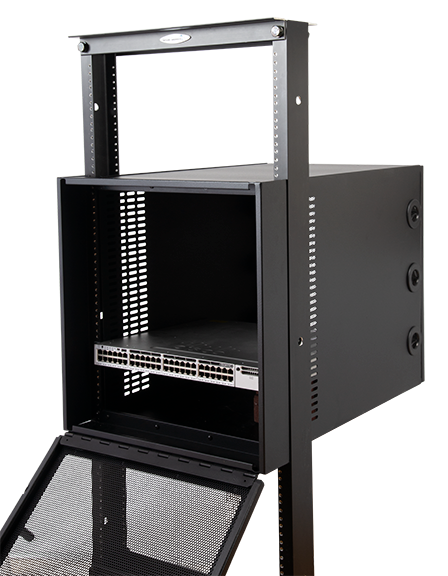
Protect Your Hardware in Shared Spaces: Avoiding Network Disasters
When your network hardware is housed in a shared space, such as a wiring closet, co-location...

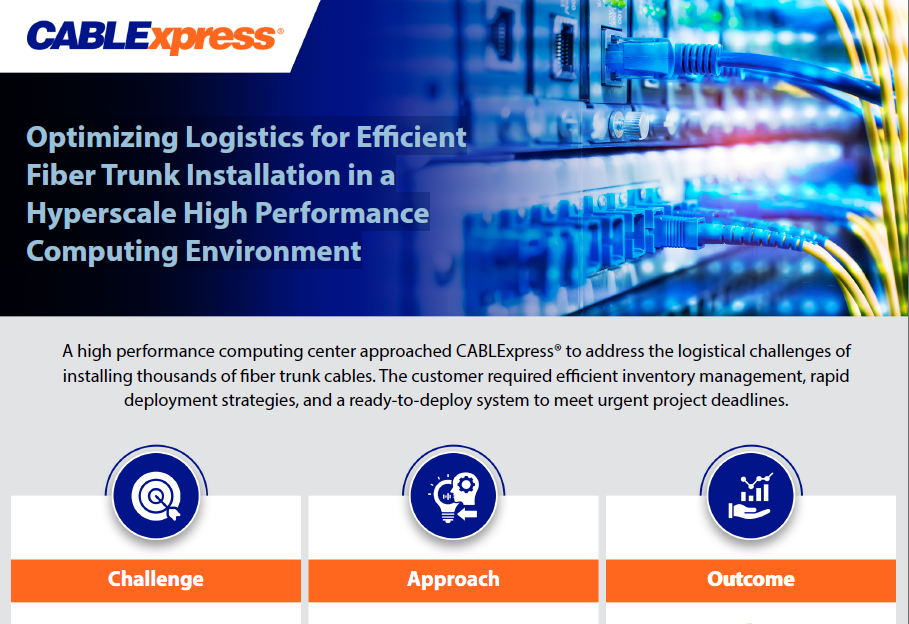
Optimizing Logistics for Efficient Fiber Trunk Installation in a Hyperscale High Performance Computing Environment
In the high-octane world of high-performance computing (HPC), a seamless and reliable network...
Recent Posts
Introduction: A New Chapter in Optical Connectivit
Low-loss fiber connectivity is essential for...
Starting a data center hardware upgrade is a...
Popular Posts
Introduction: A New Chapter in Optical Connectivit

Why does the gauge matter in my network’s racks?...
The internet may feel like an invisible, instant...